A Local Walk Through the Seasonal Art Installations

Did you know that Winnipeg experiences over 1,000 freeze-thaw cycles annually? This extreme weather cycle doesn't just affect our cars; it dictates how we experience public art in the city. This guide tracks the current seasonal art installations at The Forks, helping you plan a route that avoids the windiest corners while ensuring you see the most impactful pieces. We'll look at the best viewing angles, the best times to visit to avoid crowds, and how to dress for the unpredictable prairie air.
What are the current seasonal art installations at The Forks?
The current rotation features a mix of large-scale sculptures, light-based installations, and interactive kinetic pieces scattered throughout the paths. These works are often temporary and change with the seasons—sometimes moving from the riverbank to the upper plaza areas. Right now, the focus is on light-reflective materials that play with the low winter sun and the bright summer daylight.
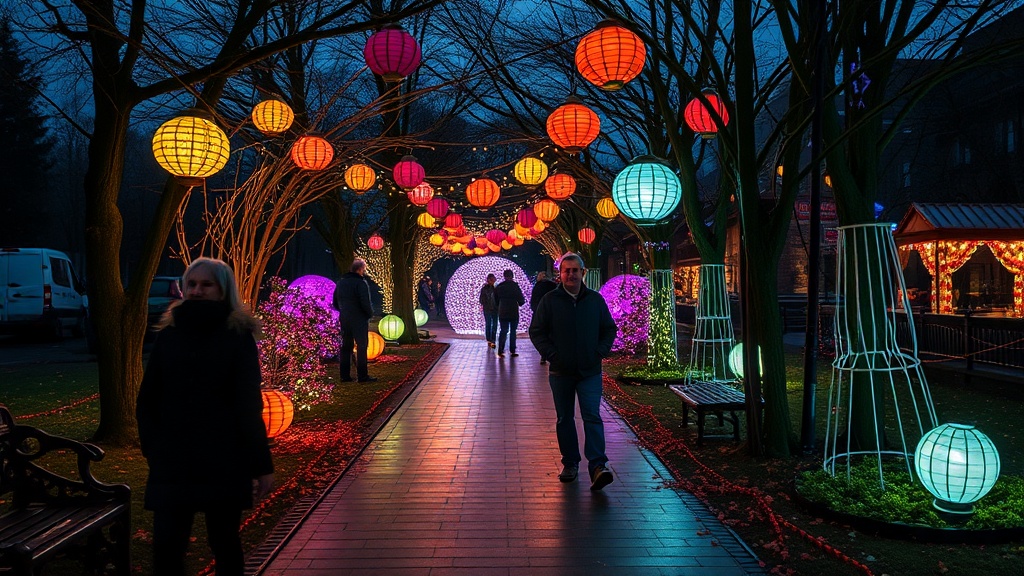
The installations are designed to be viewed from multiple angles. You'll find some pieces near the Esplanade Riel that are best seen from a distance, while others are tucked into the smaller courtyard areas near the Forks Market. One of the most striking pieces this season is a large-scale geometric light structure that glows even during the early Winnipeg sunsets. It's a perfect spot for a photo, but keep your camera lens ready for the glare.
It's worth noting that some installations are interactive. You might be able to touch them or walk through them, but always check for signage first. If a piece is cordoned off, don't try to peek under the tape—it's usually for your own safety (and the artist's sanity). If you want to learn more about the technical side of public art in Canada, the Department of Canadian Heritage provides great context on how these projects are often funded.
The Best Route for Art Lovers
If you want to see everything without feeling like you're running a marathon, follow this specific order. It minimizes the time spent walking against the wind on the open plaza.
- Start at the Upper Plaza: Begin near the entrance to the Market. The art here is usually stationary and easier to view in daylight.
- The River Walk: Move toward the water. This is where the light-based installations live. It's beautiful, but it's also the coldest part of the walk.
- The Esplanade Riel Connection: End your walk near the foot of the bridge. The architecture of the bridge itself acts as a permanent installation.
If you're planning to grab food after your walk, you might want to beat the rush at the Marketplace Food Hall so you aren't waiting in line while your food gets cold. Trust me, the queue can get long once the sun starts setting.
How much does it cost to see the art?
Viewing the seasonal art installations at The Forks is completely free to the public. There are no tickets required to walk the paths or view the sculptures, making it one of the best low-cost activities in Winnipeg. While the art is free, you'll likely want to budget for a coffee or a warm drink to keep your hands from freezing while you admire the pieces.
Sometimes, certain high-profile installations might be part of a ticketed event or a specific festival, but the standard public art pieces are always accessible. Here is a quick breakdown of what to expect regarding costs for a typical visit:
| Activity/Item | Estimated Cost (CAD) | Notes |
|---|---|---|
| Public Art Viewing | $0.00 | Always free |
| Coffee/Hot Cocoa | $5.00 - $8.00 | Essential for winter walks |
| Parking (Surface Lot) | $10.00 - $15.00 | Varies by duration |
| Parking (Structure) | $12.00+ | More sheltered option |
If you're looking for a way to spend a more significant amount of time outdoors, you might want to grab a picnic spot by the river once you've finished your art tour. Just ensure the weather is on your side—the wind off the Red and Assiniboine rivers can be brutal.
What is the best time of day to visit for photography?
The best time to visit depends entirely on whether you want to capture natural light or the glow of the installations. For natural light, aim for the "Golden Hour"—the hour before sunset. This is when the light hits the metal and glass components of the sculptures, creating long shadows and a warm glow. If you're interested in the light-based pieces, you'll need to stay until dusk.
During the winter, "dusk" happens much earlier than most people expect. If you show up at 5:00 PM thinking you'll see the sunset, you'll be disappointed. I've seen many people miss the best light because they didn't account for the early darkness. If you're a photographer, bring a tripod. The low light levels can make handheld shots a bit tricky, especially if you're wearing heavy gloves.
That said, the crowds are much thinner in the late afternoon. If you want a clean shot without a dozen tourists in the background, aim for a weekday around 3:00 PM. The light is still decent, and the foot traffic is much lighter than the weekend rush. If you're looking for technical specs on camera gear or weather-resistant equipment, checking out a site like Wikipedia's guide to photography can help you understand exposure settings for low light.
The weather is the one thing you can't control. Even if the forecast says sunny, the wind chill at The Forks can make it feel ten degrees colder. I always recommend wearing something like a Patagonia Nano Puff or a heavy parka. If you're too cold, you won't enjoy the art, and you'll be rushing through the walk rather than actually seeing the work.
One thing to remember: the art is often designed to be part of the environment. This means the texture of the piece might change depending on whether it's raining, snowing, or under a bright summer sun. A piece that looks sleek and modern in July might look rugged and textured under a layer of frost in January. It's part of the charm of the prairie seasons.
If you're heading out for a longer stroll, don't forget to check the local guide to The Forks for any upcoming changes in foot traffic or construction that might block certain paths. The city is always evolving, and a little-known detour can sometimes lead to the best views.