How to Source Winnipeg-Made Goods at The Forks Market Like a Local

The land where The Forks Market now stands has served as a trading and gathering place for over 6,000 years—long before the current building housed its first local vendor. Despite this deep history woven into our city's fabric, many Winnipeg residents treat The Forks as merely a destination for out-of-town guests rather than a practical resource for their regular routines. That's a missed opportunity (and possibly the best place to buy Manitoba products without leaving the city limits). This guide covers how to shop The Forks Market specifically for Winnipeg-made products, helping you support our community's artisans while avoiding the weekend tourist crush that most locals find exhausting.
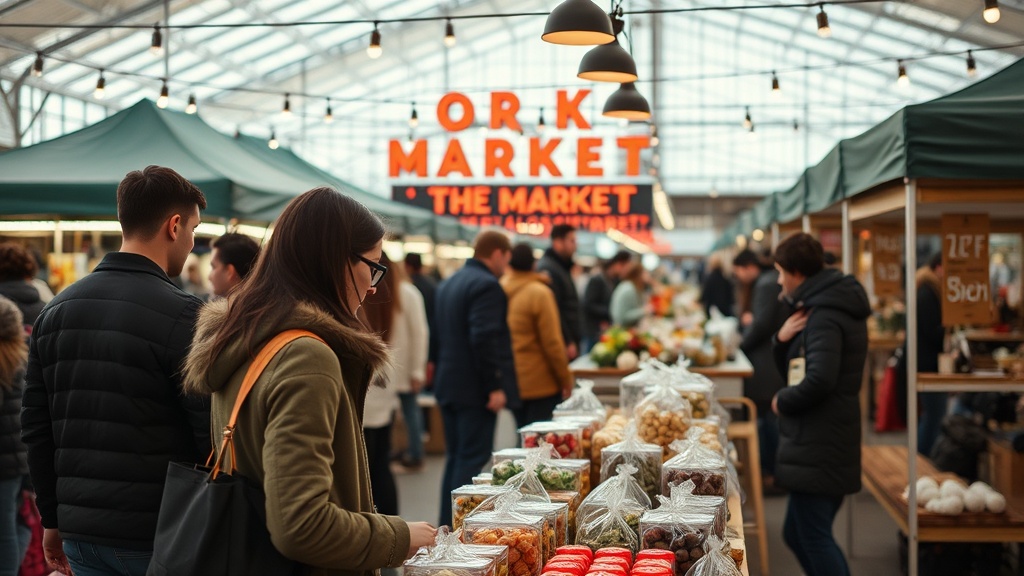
We've all seen the tour buses unloading on Saturday afternoons, creating lines that stretch past the main entrance on Forks Market Road. But here's what those tourists don't know: the market operates Tuesday through Sunday, and the early hours on weekdays transform the space entirely. When you walk through those same doors at 9:30 AM on a Tuesday, you encounter a different The Forks Winnipeg experience—one where vendors have time to chat about their products, where parking in the main lot is still abundant, and where you can actually examine the handmade ceramics at The Forks Market without bumping elbows with selfie-taking visitors. This is how we shop when we're buying for our own kitchens, not for souvenirs.
What Days Do Winnipeg Locals Actually Shop at The Forks Market?
If you're serious about sourcing local goods without the hassle, you need to forget everything you've heard about 'weekend markets.' At The Forks Winnipeg, Tuesday and Wednesday mornings belong to the regulars—the restaurant owners stocking up on specialty items, the St. Boniface residents grabbing bread for the week, the downtown office workers who know which stalls open first. Vendors at the market often save their freshest stock for these weekday regulars, precisely because they know we're buying for quality, not just browsing.
The difference is striking. By Friday afternoon, the energy shifts as visitors start arriving for the weekend. Parking becomes competitive, the walkways between stalls narrow, and the casual browsing atmosphere gives way to something more frantic. We've learned to do our heavy shopping—the bulk grains, the freezer meat, the gifts for local friends—early in the week. Save the weekends at The Forks for spontaneous visits, not your serious sourcing. The market's official schedule confirms these hours, but the local rhythm takes experience to understand.
Which Forks Market Vendors Sell Truly Local Winnipeg Products?
Not every stall in the market sources from Manitoba producers—some vendors sell imported goods alongside local items, which is fine for variety but not what we're after when we want to support our regional economy. For truly local shopping, you need to know the specific vendors who maintain direct relationships with Winnipeg and Prairie suppliers.
Start at Tall Grass Prairie Bread Company, where the flour comes from Manitoba farmers and the baking happens just across the river. Their cinnamon buns have achieved local fame (the cream cheese frosting has something to do with this), but regulars know to ask about the seasonal loaves that never make it to the display case—they sell out by 10 AM to those in the know. Move next to the meat counters where Manitoba-raised products are the standard, not the exception. Dean's Meats has supplied Winnipeg families for generations, and their staff can tell you exactly which farm your ground bison came from.
For prepared foods that actually taste like home, skip the generic options and head to the vendors specializing in Indigenous and Métis cuisine. These stalls offer products you can't find in chain grocery stores—wild rice harvested from local lakes, bannock made following traditional methods, and preserves using berries that grow in Manitoba soil. When you buy these items at The Forks Winnipeg, you're participating in the same exchange that has happened on this land for millennia, just updated for modern Winnipeg.
The craft section requires a discerning eye. Look for the 'Manitoba Made' markers that indicate genuine local production, or better yet, strike up a conversation. Ask where the wool in those mittens was sourced, or where that pottery was fired. The vendors who are actually making goods in their Winnipeg studios will light up at the question—they want to talk about their workshops in the Exchange District or their studios in Wolseley. Those conversations are part of what makes shopping at The Forks different from scrolling through an online marketplace.
How Can You Get In and Out of The Forks Market in Under 30 Minutes?
Efficiency matters when you're fitting shopping between work meetings or during a lunch break from your downtown office. The key is understanding the market's layout and flow—knowledge that separates Winnipeg regulars from confused visitors.
Enter through the north doors off the main plaza rather than the south entrance facing the river. This puts you closest to the food vendors and avoids the bottleneck that forms near the escalators. Work the room clockwise: start with dry goods and pantry items on the periphery, move through the meat and dairy counters in the center, and finish at the bakery section near the east exit. This route minimizes backtracking and keeps you moving with the natural flow of foot traffic.
Bring cash for the smaller vendors—it speeds up transactions considerably (and some of the older stalls still operate on cash-only policies that regulars respect). Keep a reusable bag folded in your purse or backpack; The Forks Winnipeg has moved away from single-use plastics, and showing up prepared marks you as a local who understands the culture here. If you're driving, validate your parking at any vendor for a reduced rate—a detail tourists often miss while they feed meters on Waterfront Drive.
The market connects directly to the city's river walk system, so you can incorporate your shopping into a longer walking route through St. Boniface or back toward the Exchange District. We often plan our trips to align with other errands downtown, making The Forks a practical waypoint rather than a separate destination. That integration into daily life is what makes the market truly valuable—it's not a special occasion place, but a regular part of how we feed and supply our households.
When you shop this way—early in the week, with purpose, knowing the vendors and the layout—you're experiencing The Forks Winnipeg as it was meant to function. You're supporting the same local economy that supports your neighbors, keeping money circulating within Manitoba rather than sending it to distant corporate headquarters. The tourists can keep their weekend crowds and their souvenir keychains. We have workday shopping lists, relationships with the people who make our food, and a 6,000-year-old trading post that still serves our community exactly as it should.