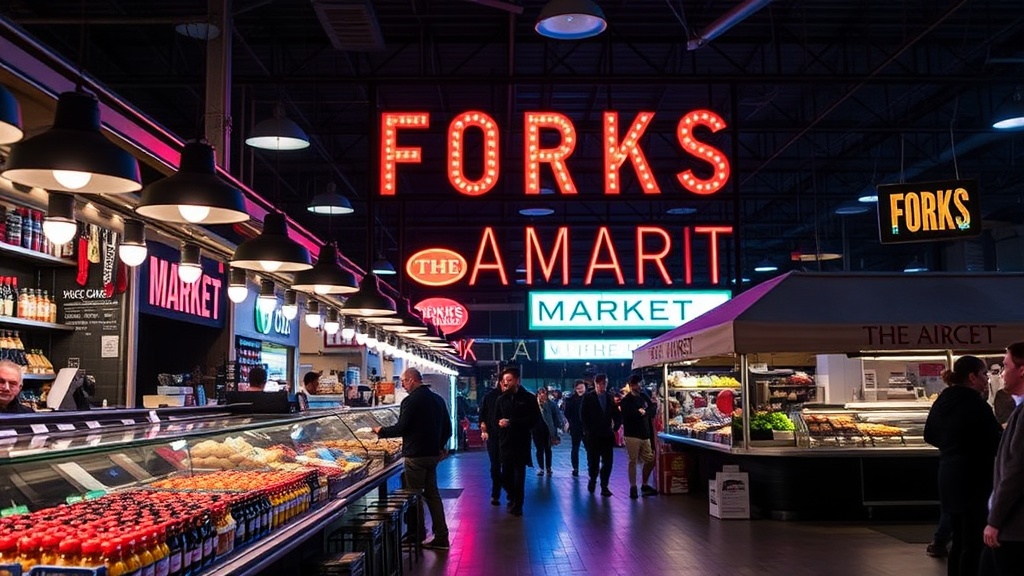
The Forks Winnipeg Market: A Local's Guide to Hidden Food Gems

What Can You Actually Find Inside The Forks Winnipeg Market?
The Forks Winnipeg Market houses over two dozen local vendors selling everything from smoked goldeye to handmade perogies — and most Winnipeggers haven't explored half of them. This guide cuts through the tourist noise and points you toward the stalls, family operations, and seasonal specials that locals actually queue up for.
Most visitors to The Forks Winnipeg stick to the main promenade. They'll grab a beer at The Common, snap photos of the Canadian Museum for Human Rights, and call it a day. That's a shame — because tucked inside the market building, our community's food artisans have been quietly perfecting their craft for decades. (Some vendors have operated here since the mid-1990s reconstruction.)
The market sits at the confluence of the Red and Assiniboine Rivers — a meeting place that's served Indigenous peoples for 6,000 years. Today's iteration respects that legacy through design and vendor selection. When you shop here, you're participating in something older than the city itself.
Which Vendors Do The Forks Winnipeg Regulars Actually Visit?
De Luca's for coffee, Skinners for hot dogs, The Fyxx for espresso — these are the stalls you'll find actual Forks Winnipeg employees hitting on their lunch breaks.
De Luca's Specialty Foods anchors the west wing. This family operation (three generations now) stocks hard-to-find Italian imports alongside house-made sausages. Their soppressata — hung to cure in back rooms you can glimpse through the deli case — sells out by Thursday most weeks. The selection rotates: wild boar in autumn, lamb with mint in spring. Staff slice samples without being asked. That's the kind of place The Forks Winnipeg deserves.
Across the aisle, Skinners serves the classic Winnipeg chili dog that hasn't changed since 1929. (Yes, the recipe predates the current market building by seven decades.) The snap of the natural casing, the slightly sweet chili, the steam rising from the warming trays — it's nostalgic for locals whether they grew up with it or not. At $4.75, it's also one of the last affordable hot lunches downtown.
For morning caffeine, The Fyxx Espresso Bar pulls shots from a vintage La Marzocco. Their beans come from Motley Coffee, roasted across town in St. Boniface. The baristas remember orders. They'll start your Americano when you're two stalls away — that's community.
Where Do You Find The Forks Winnipeg's Seasonal and Artisanal Specialties?
The north corridor vendors rotate seasonally, with pop-ups appearing from May through October featuring Manitoba fruit preserves, wild rice, and fresh produce direct from Interlake farms.
Prairie Oils & Vinegars offers tasting flights that'll ruin supermarket salad dressing forever. Their blackberry ginger balsamic — thick, syrupy, nothing like the thin acid from chain stores — comes from a family operation near Steinbach. The roasted garlic avocado oil works magic on roasted root vegetables during our brutal winters.
Tall Grass Prairie Bread Company operates a satellite location here (their main bakery sits on Westminster Avenue). Their sunflower flax sourdough uses Red Fife wheat grown near Clearwater, Manitoba. The fermentation happens slowly — 18 hours minimum — which matters when you're dealing with heritage grains. Locals know to arrive before 11 a.m. on Saturdays; the loaves disappear fast.
During summer months, the Farmers Market Annex expands into Johnston Terminal. This is where you'll find:
- Fresh Saskatoon berries from Over the Hill Orchards (available July only)
- Wild rice harvested from Lake Manitoba — look for the Manitoba Wild Rice Council stall
- Honey from Red River Apiaries, with varieties by neighbourhood (St. Vital honey tastes different from St. James honey — the wildflower mix changes)
What Should You Skip — And What's Worth the Hype?
The main food court chains serve their purpose for tourists in a rush, but locals bypass them in favor of the family operations with actual ties to Manitoba soil.
Here's the breakdown:
| Vendor Type | Local Verdict | Notes |
|---|---|---|
| Skinners Hot Dogs | Worth it | Historic recipe, local institution since 1929 |
| Main food court pizza | Skip it | Chain quality — head to De Luca's for Italian instead |
| The Common (beer hall) | Depends | Great selection but crowded on weekends; weekday afternoons are quieter |
| Tall Grass Prairie Bread | key | Heritage grains, local sourcing, unbeatable sourdough |
| Seasonal berry vendors | Grab quickly | Limited windows — Saskatoons in July, strawberries in June |
| Skinners chili | Buy the jar | They sell take-home containers. You'll want one. |
The catch? Most visitors don't venture past the central atrium. The best stalls hide in the peripheral corridors — especially the lower level near the river walk entrance. That's where The Chocolate Zen keeps their truffles (the Earl Grey ganache sells out by noon), and where Winnipeg Architecture Foundation occasionally sets up with limited-run publications about local landmarks.
How Do You handle The Forks Winnipeg Market Like Someone Who Lives Here?
Arrive before 10 a.m. on weekends for parking (the lot fills by 11), bring reusable bags (most vendors offer small discounts for BYO), and check the official Forks Winnipeg events calendar — the market often coordinates with outdoor programming on the riverside trails.
Winter changes the rhythm entirely. When temperatures drop below -25°C (which happens — this is Winnipeg), the skywalk system connects The Forks Winnipeg Market to Inn at the Forks and Canadian Museum for Human Rights without requiring outdoor exposure. Locals use this network to shop through January. The market stays busy even when the rivers freeze solid.
Worth noting: several vendors offer "locals discounts" — not advertised, but available if you ask. De Luca's has a punch card program. Prairie Oils refills bottles at reduced rates. These programs exist because The Forks Winnipeg vendors know their community supports them through February blizzards and July heat waves alike.
The Forks Winnipeg also runs a Market Fresh program connecting shoppers directly with Manitoba farmers. Through winter, this program imports greenhouse tomatoes from Winkler and root vegetables from Portage la Prairie. The produce stall sits near the main staircase — easy to miss if you're not looking, impossible to forget once you've tasted carrots harvested after frost (sweeter, denser, completely different from the watery supermarket variety).
For special occasions, De Luca's will custom-order items. Looking for fresh burrata? Call ahead. Need a whole prosciutto leg for a wedding? They've done it. This kind of service doesn't appear on tourism websites — it emerges from relationships built over years of shopping the same stalls.
The Forks Winnipeg Market rewards curiosity. Skip the obvious choices. Ask the person behind the counter where their ingredients come from. Try the sample of cheese you've never heard of. That's how locals shop — and that's how this place stays vital through Manitoba's dramatic seasonal swings.
Whether you're grabbing a quick lunch between meetings at 45 Forks Market Road (the office building attached to the market) or spending a Saturday morning tasting your way through the corridors, The Forks Winnipeg offers something increasingly rare: food with provenance, sold by people who remember your name.